
Point Of View
Recordar , c'est vivre à nouveau - Κριτική
Νάγια Παπαπάνου
Οι άνθρωποι περνούν από τη ζωή συσσωρεύοντας πράγματα, πράγματα που αφήνουν πίσω τους. Είναι κάτι περισσότερο από μια κληρονομιά, είναι το αποτύπωμά τους στη γη. Το γιατί επέλεξαν να συγκεντρώσουν αυτά τα πράγματα είναι το πιο πολύτιμο ερώτημα που μπορούν να κάνουν οι ζωντανοί στους νεκρούς τους, μόνο που η απάντηση βρίσκεται στη ζωή που έχουν ζήσει, στις επιλογές που έχουν κάνει και στο σημάδι που έχουν αφήσει στη ζωή των άλλων.
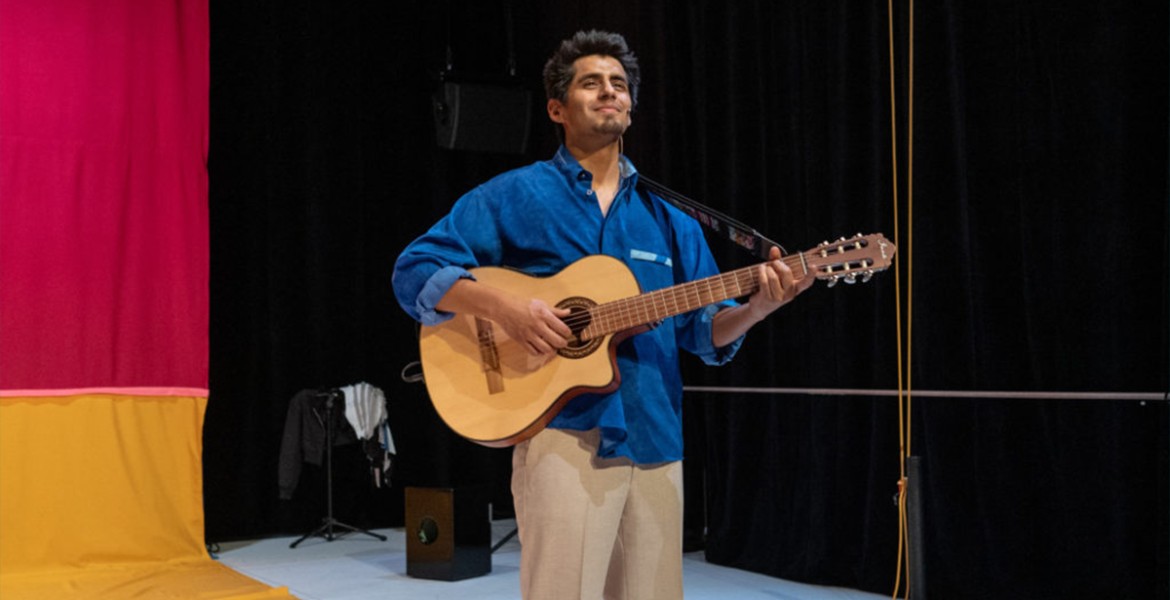
Το «Recordar, c'est vivre à nouveau» είναι ένα θεατρικό έργο για δύο αδέρφια που αντιμετωπίζουν μια ρεαλιστική πρόκληση: κουτιά που περιέχουν αντικείμενα του εκλιπόντος πατέρα τους, τα οποία καταλαμβάνουν πολύ χώρο, σχεδόν ένα ολόκληρο δωμάτιο, και μια συμβολική πρόκληση που απορρέει από την δική τους μαρτυρία για την ζωή και κληρονομιά των γονιών τους. Το έργο αφηγείται, μέσω βίντεο και ηχητικών κλιπ των δύο γονέων (μητέρας και πατέρα), τραγουδιών και αναμνήσεων των δύο αδελφών, τη βιογραφία ενός άνδρα που γεννήθηκε στο Περού αλλά μετακόμισε με την οικογένειά του στο Βέλγιο. Η αφήγηση της ζωής του αγγίζει ιστορικά γεγονότα για το πολιτικό πλαίσιο στο Περού, τις ταραχές, τις απεργίες, τον στραγγαλισμό του ιθαγενούς πληθυσμού και αναφορές στον νεοαποικιοκρατία.
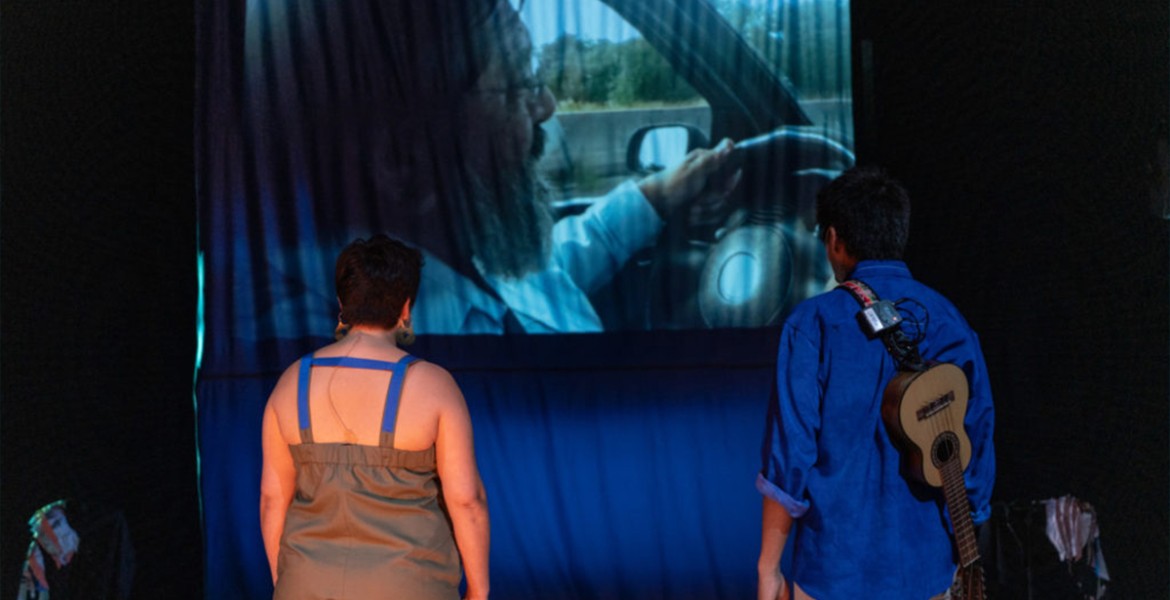
Το σκηνικό του έργου είναι μια σχεδόν άδεια σκηνή, ένα άδειο δωμάτιο, μια παράδοξη συνθήκη, καθώς το κύριο ζήτημα είναι όλα αυτά τα κουτιά που καταλαμβάνουν τόσο μεγάλο χώρο στο σπίτι αλλά απουσιάζουν από την σκηνή. Υπάρχει μια απλή αλλά πολύχρωμη κουρτίνα που χρησιμεύει για τις προβολές αλλά και συμβολικά για την προώθηση της αφήγησης. Ο πραγματισμός και η πραγματικότητα διαπερνούν την κοινή χρήση αναμνήσεων και ενσαρκώνουν την ογκώδη προσωπικότητα του πατέρα, καθώς τα δύο αδέλφια ζωντανεύουν τα περιστατικά που σημάδεψαν τη ζωή και την καταγωγή των γονιών τους.
Η δραματουργική έκφραση αυτού του έργου ξεπερνά το θέατρο ντοκιμαντέρ, καθώς η υποκειμενικότητα των αφηγητών/πρωταγωνιστών, η εγγενής οπτική τους, τα συναισθήματα και οι προκαταλήψεις τους τείνουν να διαλύουν κριτικά το παρελθόν και το μέλλον της κληρονομιάς τους. Οι πληροφορίες για το έργο το δηλώνουν ως «θέατρο του πραγματικού», μια αναφορά στο βιβλίο της Κάρολ Μάρτιν με τίτλο "Theatre of the Real", το οποίο εξερευνά σύγχρονες παραγωγές και τον τρόπο με τον οποίο οι καλλιτέχνες ασχολούνται με πολιτικά θέματα, αξιοποιώντας τα ψηφιακά μέσα και την προσωπική μνήμη, και όπου σημειώνεται ότι: «η Μάρτιν υπογραμμίζει τη μεταμορφωτική δυνατότητα του Θεάτρου του Πραγματικού ως μέσο κριτικής και ενασχόλησης με τα τρέχοντα πολιτικά τοπία».¹
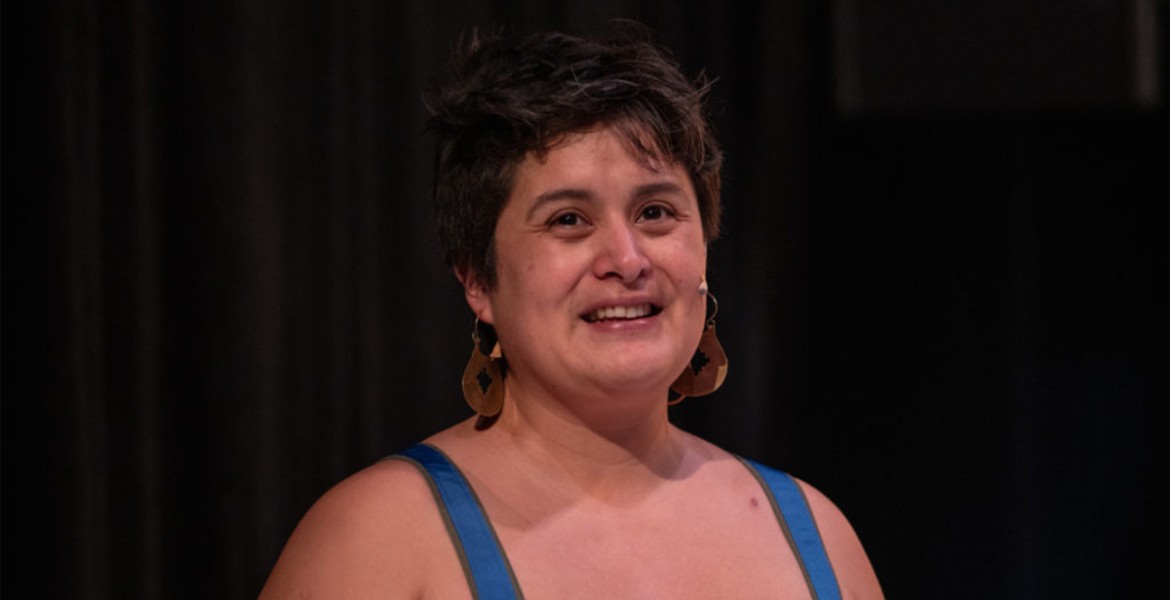
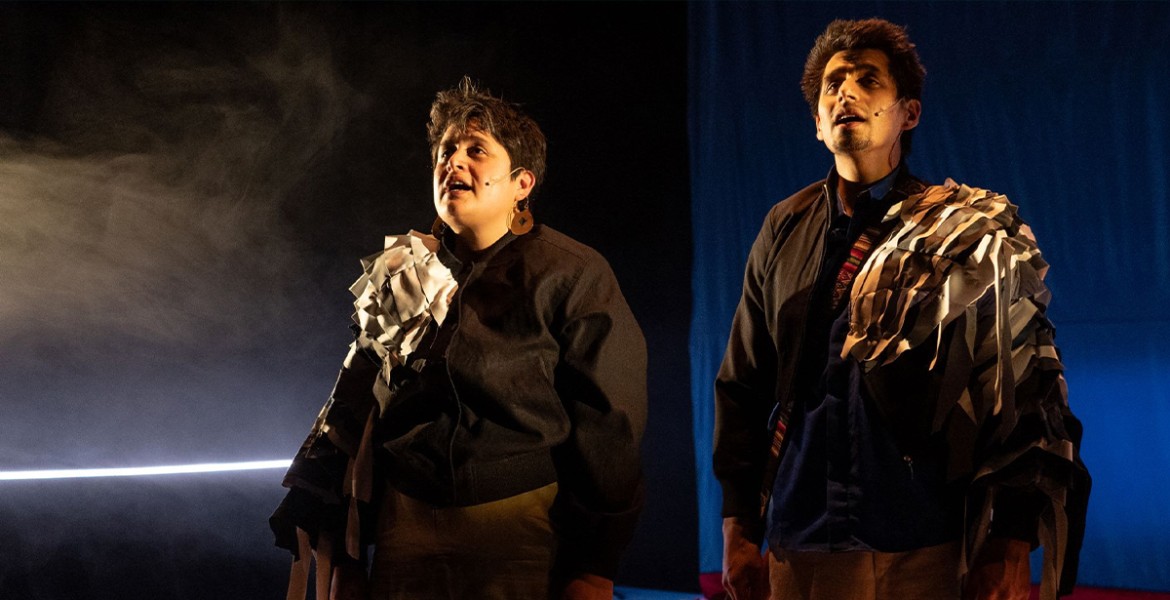
Τα δύο αδέρφια στη σκηνή μοιράζονται τις γλυκόπικρες αναμνήσεις τους από τον πατέρα τους, συμμετέχουν σε πολιτικές συζητήσεις με τους γονείς τους σε ηχητικό υλικό και τραγουδούν μαζί με το «eso» της ύπαρξής τους. Ως θεατής, σε γοητεύει, σε συγκινεί βαθιά, και ενδεχομένως σε ωθεί να εμβαθύνεις στη σύγχρονη ιστορία του Περού και της Λατινικής Αμερικής. Η ιστορία του «Recordar» είναι κάτι περισσότερο από το να ξαναζείς, να καταγράφεις ή να θυμάσαι, αγγίζει τις δονήσεις της ηχούς του παρελθόντος που μεταδίδουν στο μέλλον γνωστικά στοιχεία.
Παρακολουθήστε το και αφήστε τον εαυτό σας να παρασυρθεί από τη μνήμη της δικής σας κληρονομιάς.
RECORDAR , c'est vivre à nouveau - Review
People pass through life cumulating things, things they leave behind to the living. It is more than a heritage, it is their footprint on earth. Why they chose to gather these things is the most precious question the living can ask to their departed, only the answer lies in the life they have led, the choices they have made and the mark they have made in the life of the others.
“RECORDAR , c'est vivre à nouveau”, is a theatre play about two siblings who are faced with a realistic challenge: boxes containing belongings of their late father that take too much space almost an entire room, and a symbolic confrontation with their witnessing of their parent’s life and legacy. The play narrates the biography of a man who was born in Peru but moved with his family to Belgium via video and audio clips of the two parents (mother and father), songs and memory sharing of the two siblings. The narration of his life touches historical facts about the political context in Peru, the riots, the strikes, the strangling of the indigenous population and references to neo-colonialism.
The setting of the play is almost an empty stage, an empty room, a paradoxical controversy since the main issue is all these boxes that are taking such a big space in the house, nevertheless absent from the stage. There is a plain but colorful drape that serves for the projections as well as moving forward symbolically the narration. Pragmatism and reality fight their way through the memory sharing and embody the voluminous personnage of the father as the two siblings bring into life the incidents that marked their parent’s life and lineage.
The dramaturgical manifestation of this play reaches beyond the theatre-documentary as the subjectivity of the narrators/protagonists, their inherent viewpoint, feelings and biases tend to critically dissolve the past and future of their legacy. The information about the play, states as genre “theatre of the real”, a reference to Carol Martin's "Theatre of the Real" book that explores contemporary productions and how artists engage with political themes utilizing digital media and personal memory; “Martin underscores the transformative potential of Theatre of the Real as a means of critiquing and engaging with current political landscapes.”¹
The two siblings on stage share their bitter sweet memories from their father, engage into political debates with their parents in audio and sing along the “eso” of them being. As a spectator you are charmed, deeply moved, potentially intrigued into looking further into the modern history of Peru and Latin America. The story of “Recordar” is more than reliving or recording or remembering, it is touching the vibrating echoes of the past who are transmitting into the future bits of knowledge.
Watch it and let yourself be carried away by the memory of your own heritage.
RECORDAR , c'est vivre à nouveau- Critique
Au cours de leur vie, les gens accumulent des biens, des choses qu'ils laissent derrière eux aux vivants. C'est plus qu'un héritage, c'est leur empreinte sur la terre. Pourquoi ont-ils choisi d'accumuler ces choses ? C'est la question la plus précieuse que les vivants puissent poser à leurs morts. Seule la réponse se trouve dans leurs vies, leurs choix et l'influence qu'ils ont eue sur celles des autres.
«RECORDAR, c'est vivre à nouveau » est une pièce de théâtre qui met en scène deux frères confrontés à une réalité bien concrète : les cartons contenants les affaires de leur père décédé, qui occupent presque toute une pièce, et une confrontation symbolique avec leur témoignage sur la vie et l'héritage de leurs parents. La pièce retrace la biographie d'un homme né au Pérou et ayant émigré avec sa famille en Belgique, à travers des extraits vidéo et audio de lui et sa femme, des chansons et des souvenirs partagés par leur deux enfants. Le récit de sa vie aborde des événements historiques liés au contexte politique péruvien : émeutes, grèves, répression des populations indigènes et références au néocolonialisme.
La pièce se déroule sur une scène presque vide, dans une pièce déserte, créant un paradoxe : l'enjeu principal réside dans l'encombrement de la maison par ces cartons qui pourtant sont absents. Un rideau simple mais coloré sert aux projections et contribue symboliquement à la progression du récit. Le pragmatisme et le réalisme imprègnent le partage des souvenirs et incarnent la personnalité imposante du père, tandis que ses deux enfants font revivre les événements qui ont marqué l'histoire et les origines de leurs parents.
L'expression dramaturgique de cette œuvre dépasse le cadre du théâtre documentaire car la subjectivité des narrateurs/protagonistes, leur perspective inhérente, leurs émotions et leurs préjugés tendent à déconstruire de manière critique le passé et l'avenir de leur héritage. Les informations concernant l'œuvre mentionnent le genre comme étant celui du « théâtre du réel », une référence à l'ouvrage de Carol Martin, « Theatre of the Real », qui explore les productions contemporaines et la manière dont les artistes abordent les questions politiques en utilisant les médias numériques et la mémoire personnelle; “Martin met en lumière le potentiel transformateur du Théâtre du Réel comme moyen de critiquer et d'interagir avec les paysages politiques actuels.”¹
Sur scène, les frère et sœur partagent leurs doux-amers souvenirs de leur père, dialoguent avec leurs parents (enregistrés en audio) sur des sujets politiques et chantent le “eso” de leur existence. Le spectateur est captivé, profondément ému et peut-être même incité à approfondir l'histoire contemporaine du Pérou et de l'Amérique Latine. « Recordar » est bien plus qu'une simple expérience de revivre, d'enregistrer ou de se souvenir : c'est toucher aux échos vibrants du passé qui transmettent des fragments de connaissance au futur.
Allez voir “Recordar” et laissez-vous emporter par le souvenir de votre propre héritage.
¹Theatre of the Real by Carol Martin (review), Alicia B. Corts, Theatre Journal, Johns Hopkins University Press, Volume 66, Number 3, October 2014, pp. 486-487, 10.1353/tj.2014.0077
Distribution:
Texte : David et Marisel Méndez Yépez, Ilyas Mettioui – Mise en scène : Ilyas Mettioui – Dramaturgie : Tatjana Pessoa – Avec David Méndez Yépez et Marisel Méndez Yépez – Création musicale et sonore : David Méndez Yépez & Donald Beteille – Scénographie et costumes : Nathalie Moisan – Création lumière : Suzanna Bauer – Assistanat à la mise en scène : Léa Parravicini – Assistanat à la scénographie : Coline Lebeau – Technique vocale : Farah El Hour - Coaching vocal : Lola Clavreul
Production:
Un spectacle de David Méndez Yépez en coproduction avec Le Rideau, La Coop asbl et Shelter Prod. Avec l’aide de la Fédération Wallonie-Bruxelles – Service général de la création artistique et du Tax Shelter du Gouvernement fédéral belge.
Diffusion: La Charge du Rhinocéros
Production déléguée Le Rideau.
Avec le soutien du Musée de la Mémoire (Lugar de la Memoria) à Lima, de l’Ambassade de Belgique à Lima, du Théâtre des 4 mains, le BAMP, de Belgium’s Libitum : Résidences artistiques, de la Plateforme FACTORY/Résidences, de l’Institut des langues vivantes de l’UCLouvain, du Centre culturel du Brabant wallon, de la Maison Qui Chante, de Wallonie-Bruxelles Théâtre Danse (WBTD) et de Wallonie-Bruxelles International (WBI)
Prochaines représentations :
CANADA:
18 février 2026: Évènement RIDEAU - QUÉBEC
21 février : Théâtre d'Outremont - MONTRÉAL
26 février : Théâtre Gilles-Vigneault - SAINT-JÉRÔME
PÉROU: tournée du 4 au 21 mars 2026 (LIMA - CUSCO - PIURA)
BELGIQUE:
10 avril 2026 : L'Archipel 19 (Bruxelles)
19 au 22 mai 2026 : Martinrou (Fleurus)
ΔΙΑΒΑΣΤΕ ΑΚΟΜΑ
Σχόλια χρηστών
Για να συμμετέχετε στην συζήτηση πρέπει να γίνετε μέλη. Λάβετε μέρος σε κάποια συζήτηση κάνοντας roll-over στο αρχικό σχόλιο και πατήστε το κουμπί "Απάντηση". Για να εισάγετε ένα νέο σχόλιο χρησιμοποιήστε την φόρμα στο τέλος της λίστας.