
Point Of View
Κοπεγχάγη του Michael Frayn - Κριτική
Boem Team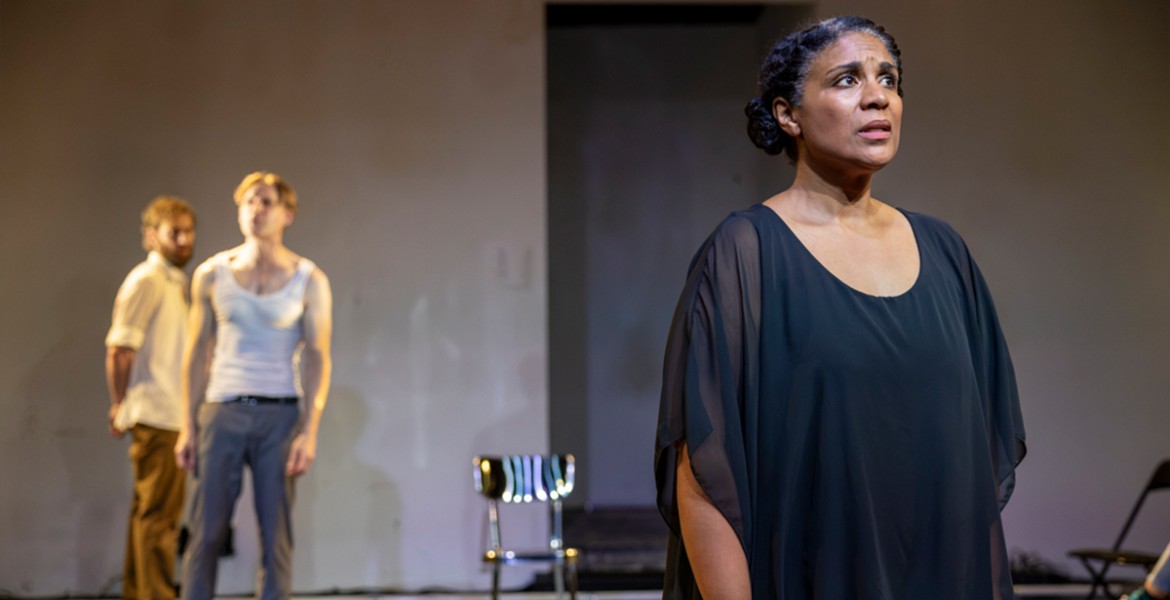
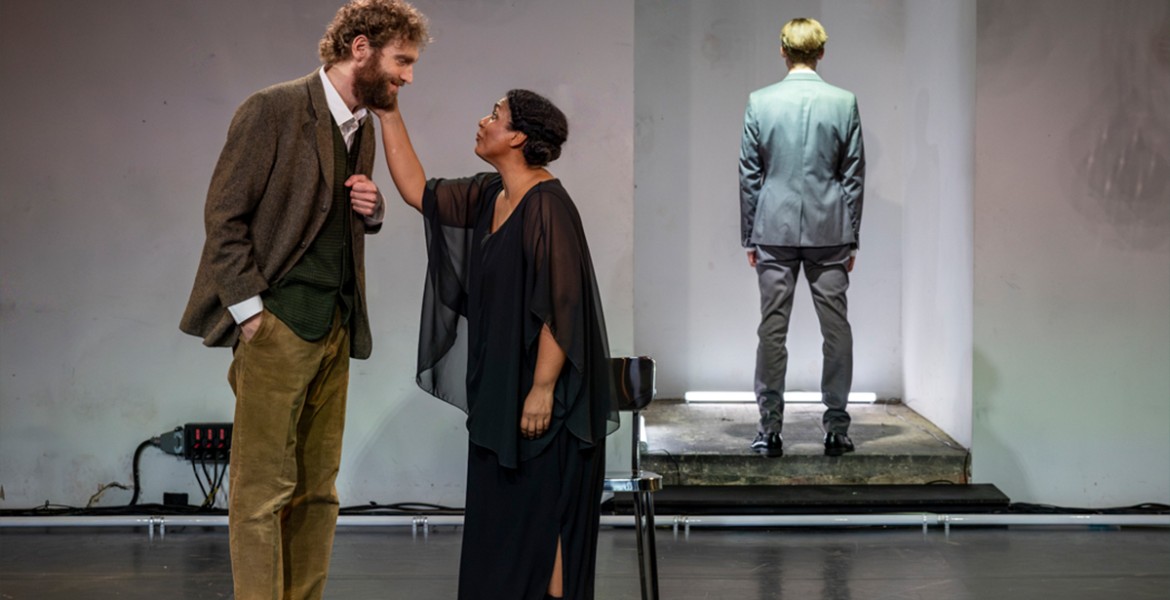
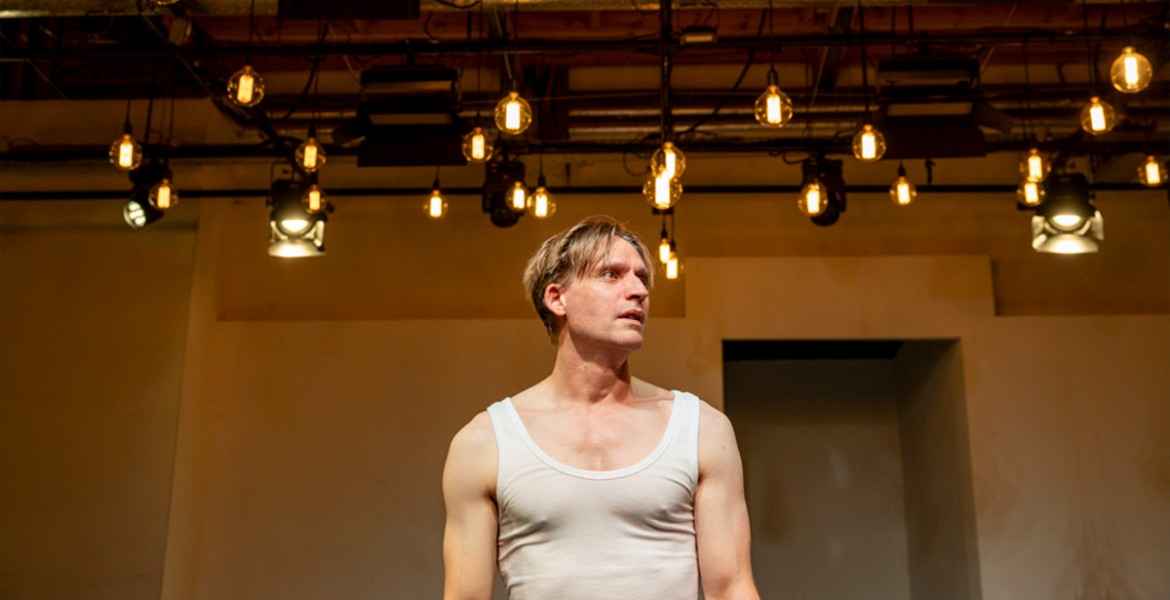
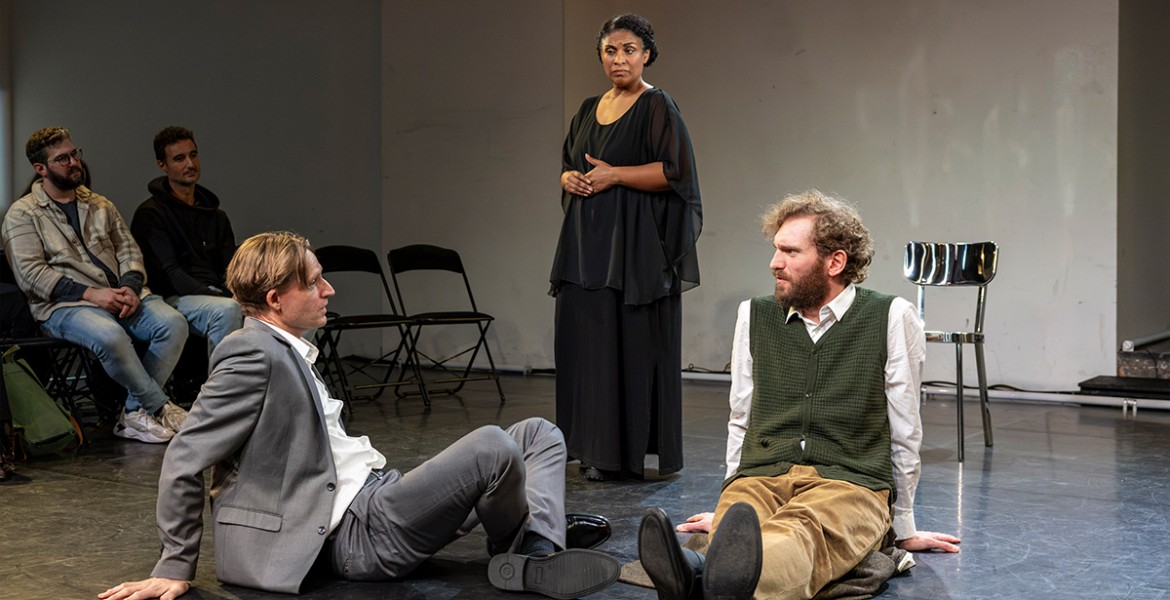
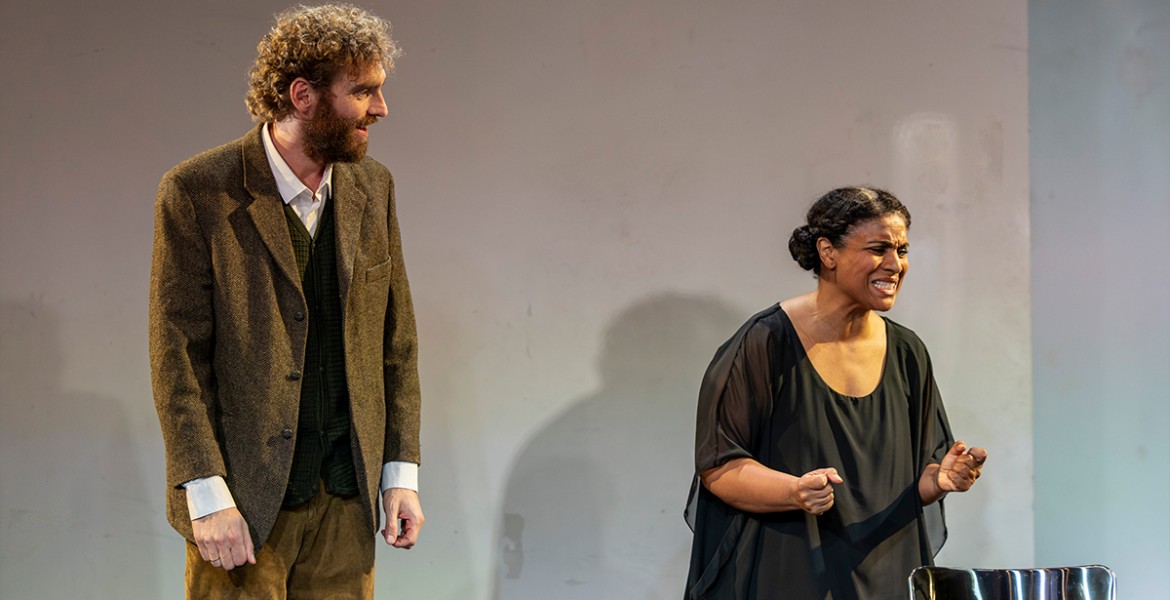
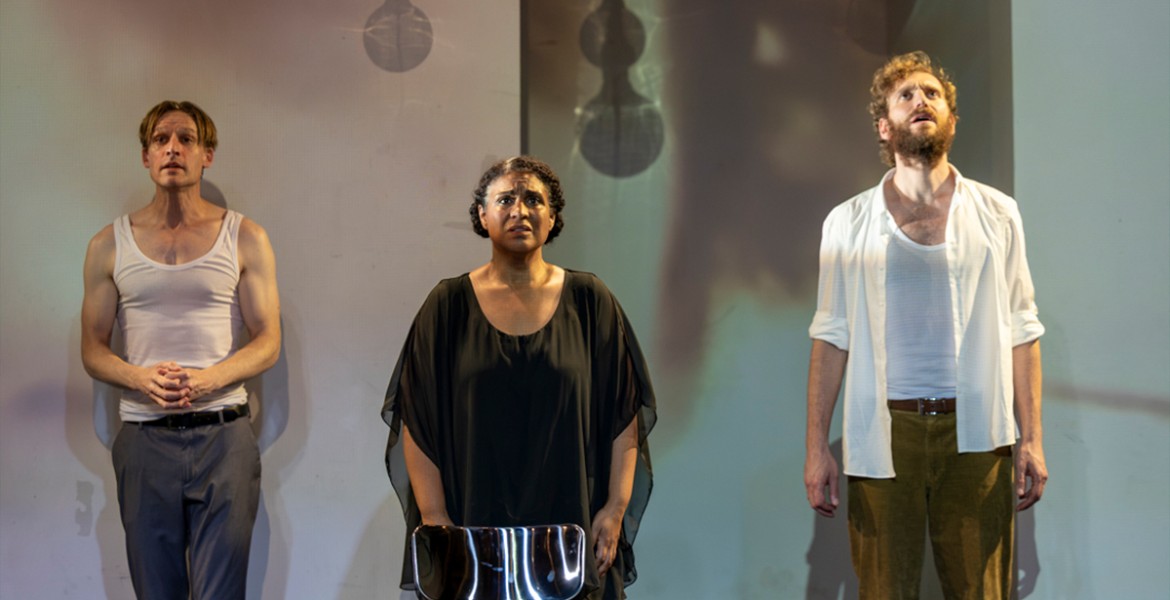
Μπορεί κανείς να ορίσει και να μετρήσει τη φιλία; Τι την πυροδοτεί; Τι την εξελίσσει; Τι την καταστρέφει; Γιατί ο Werner συνάντησε τον Nils στην κατεχόμενη Κοπεγχάγη το 1941; Κινδύνευε η φιλία τους ή μήπως αυτή η ίδια η συνάντηση την έθεσε σε κίνδυνο; Ποιος είναι ο ρόλος της Margrethe;
Ο νόμος διατήρησης της ενέργειας ορίζει ότι η ενέργεια μπορεί να αλλάξει μορφή, αλλά ούτε δημιουργείται ούτε καταστρέφεται. Για το χατήρι της θεατρικής μου κλίσης, έστω προσωρινά, αντικαταστήστε την ενέργεια με την φιλία: μπορεί να αλλάξει μορφή, ούτε δημιουργείται ούτε καταστρέφεται... Ο Werner και ο Nils έλκονται ο ένας από τον άλλον, ενώ η Margrethe παρατηρεί. Ο Michael Frayn παίρνει ένα μόνο επεισόδιο από τη ζωή τους, μόνο και μόνο για να το επαναλάβει από διαφορετικές οπτικές γωνίες προσπαθώντας να απαντήσει σε ένα ερώτημα, ωστόσο η αρχή της αβεβαιότητας και της συμπληρωματικότητας - οι εξέχουσες θεωρίες των Nils Bohr και Werner Heisenberg - πλέκουν τη δράση αυτού του συναρπαστικού έργου που σχεδιάζει και σκηνοθετεί ο Robert Chevara για το Bridge Theatre.
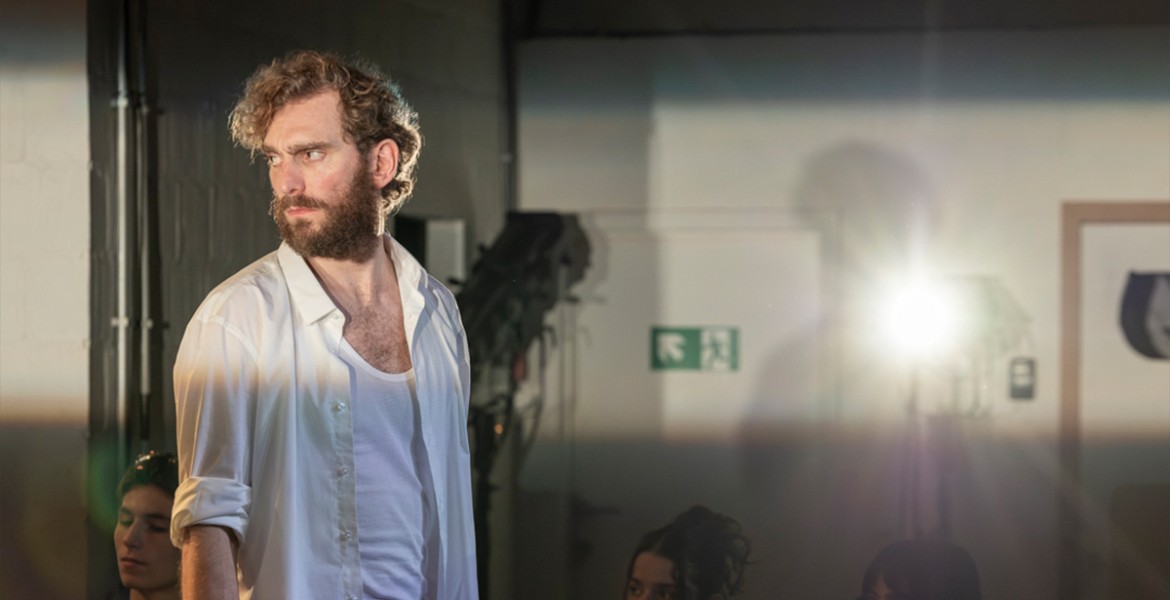
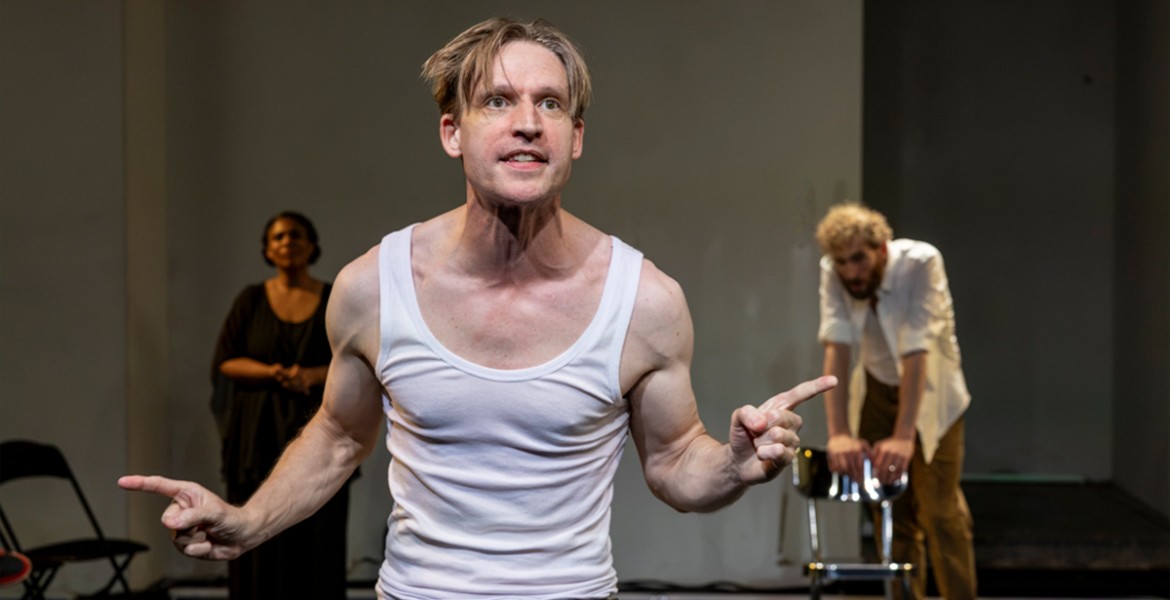
Τρεις εξαιρετικοί ηθοποιοί, η Eva Fontaine (Margrethe), ο Peter Hald (Nils) και Manuel Klein (Werner), μας καθοδηγούν σε αυτή την αιχμηρή και ενδιαφέρουσα εξερεύνηση μιας μοναδικής επίσκεψης που καθόρισε πολλά περισσότερα για ανθρώπους που δεν γνώρισαν ποτέ τους δύο αυτούς επιστήμονες. Τα τρία πρόσωπα σε αυτό το έργο προσπαθούν να απαντήσουν γιατί ο Werner επισκέφθηκε τον Nils εκείνον τον Σεπτέμβριο ή Οκτώβριο του 1941 στην κατεχόμενη Κοπεγχάγη. Ο κόσμος βρισκόταν σε πόλεμο: ο Άξονας, οι Σύμμαχοι και η Ρωσία έτρεχαν για να δημιουργήσουν τη Βόμβα. Όλα ήταν πιθανά, έμενε όμως να βρεθεί η φόρμουλα, και επιστήμονες σε όλο τον κόσμο ξαφνικά έγιναν οι αντιήρωες αυτής της σκοτεινής περιπέτειας της ανθρωπότητας.
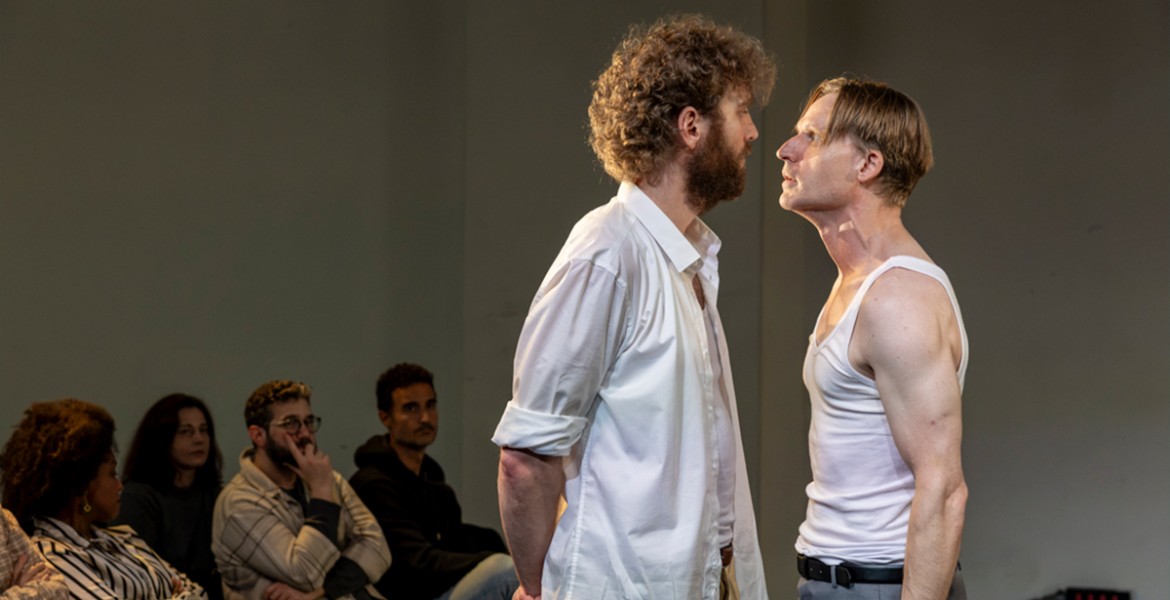
Το σκηνικό της «Κοπεγχάγης» σε σκηνοθεσία Robert Chevara, στήνεται γύρω και απέναντι από το κοινό: οι ηθοποιοί βρίσκονται σε τυφλά σημεία ο ένας απέναντι στον άλλον, ή συναντώνται σε ένα σημείο που είναι τυφλό για το κοινό και κάθε φορά αυτή η νέα τοποθέτηση πυροδοτεί ένα νέο σχεδίασμα της ιστορίας ή μια κορύφωση. Θα έλεγα ότι αυτή η κίνηση και τοποθέτηση των ηθοποιών είναι μια αναφορά στην αναπαράσταση ενός πυρήνα και των ατόμων, και επιπλέον τοποθετεί το κοινό μέσα στη δράση, ως παρατηρητή που αλληλεπιδρά σωματικά με την παρουσία του στον διαχωρισμό και την ορατότητα των τριών πρωταγωνιστών. Εμείς, το κοινό, γινόμαστε αυτή η σκιά πάνω από τους παρατηρητές, αλλοιώνοντας την εμπειρία των υποκειμένων καθώς και τη δική μας. Όταν οι Nils, Werner και Margrethe μοχθούν να επαναλάβουν τη νύχτα στην Κοπεγχάγη, δεν βλέπουμε ποτέ ολόκληρη την εικόνα όπως ακριβώς δεν τη βλέπουν ποτέ οι ίδιοι. Περισσότερο από την απαρίθμηση των ιστορικών γεγονότων, γευόμαστε την έλλειψη σαφήνειας, την απώλεια ορατότητας και τον κατακερματισμό ολόκληρης της εικόνας καθώς κάθε σχεδίασμα εστιάζει σε μια διαφορετική οπτική γωνία της ίδιας ιστορίας.
Η Eva Fontaine είναι μια εξαιρετική Margrethe. Προσδίδει όγκο και συναίσθημα σε μια ιστορία που αγωνίζεται να εκφράσει την αλήθεια των προσδοκιών για την φιλία με ορολογία φυσικής. Η στάση του σώματός της, η έκφραση του προσώπου της και ο τόνος της φωνής της, χρησιμεύουν ως διαμεσολαβητές του πραγματικού κινήτρου, της φιλοδοξίας και των ερεθισμάτων αυτών των δύο ανδρών. Οι Peter Hald (Nils) και Manuel Klein (Werner) μοιάζουν να ανταλλάσουν ρόλους σε ένα θεατρικό «paso doble» - χορευτική αναπαράσταση μιας ταυρομαχίας. Εξίσου αφοσιωμένοι και συγκεντρωμένοι στον χαρακτήρα τους, δεν ξεχνούν πως διαμόρφωσαν διακριτικά, αμφότεροι, την Ιστορία. Και οι δύο τους ρίχνουν κλεφτές ματιές στις συνέπειες της προσπάθειάς τους για γνώση ή στην αποσύνθεση και την ανοικοδόμηση αυτής. Φοβούνται μήπως κάνουν κάποιο λάθος ή μήπως φοβούνται την επιτυχία;
Το έργο “Copenhagen” είναι συναρπαστικό και η παραγωγή του Bridge Theatre αιχμαλωτίζει το κοινό. Μην χάσετε αυτή την παράσταση αν βρίσκεστε αυτό το διάστημα στις Βρυξέλλες.
(Η παράσταση είναι στα Αγγλικά χωρίς υπέρτιτλους.)
Copenhagen by Michael Frayn, from the Bridge Theatre - Review
Can one safely define and measure friendship? What ignites it? What evolves it? What shatters it? Why did Werner meet Nils in occupied Copenhagen in 1941? Was their friendship in danger, or did that very meeting put it in danger? What is the role of Margrethe?
The law of conservation of energy states that energy can change forms but is neither created nor destroyed. Humor my theater mind, just for a moment, and substitute energy with friendship: it can change forms, is neither created nor destroyed… Werner and Nils are drawn to each other all while Margrethe is observing. Michael Frayn, takes a single episode in their life only to replay it from different perspectives trying to answer one question, however the principle of uncertainty and complementarity the prominent theories of Nils Bohr and Werner Heisenberg plot the action of this fascinating play that Robert Chevara, stages for the Bridge Theatre.
Three excellent actors, Eva Fontaine (Margrethe), Peter Hald (Nils) and Manuel Klein (Werner) take us through this sharp and intriguing unravelling of a single visit that defined so much more for people who never met or knew the two scientists. The three persons in this play attempt to answer why Werner visited Nils that September or October of 1941 in occupied Copenhagen. The world was at war: Axis, Allies and Russia were sprinting to create The Bomb. All was possible but it remained to figure out the formula, and scientists around the world suddenly became the antiheroes of this dark adventure of mankind.
The theater stage of “Copenhagen” directed by Robert Chevara, is set around and opposite the audience: the actors find themselves in blind spots one to the other, or they meet together in one spot that is blind to the audience and each time this new positioning triggers a new draft or climax. I would argue that this movement and positioning of the actors is a reference to the representation of a nucleus and atoms, and furthermore places the audience inside the action, as an observer who interacts physically with their presence at the separation and visibility of the three protagonists. We, the audience, become this shadow over the observers, altering the experience of the subjects as well as our own; when Nils, Werner and Margrethe struggle to replay the night in Copenhagen, we never see the whole picture just like they never see it themselves. More than the recitation of historical events, we taste the lack of clarity, the loss of visibility and the fragmentation of the full picture as each draft focuses on a different angle of the same story.
Eva Fontaine is an exquisite Margroethe; she brings in volume and feeling into a story that struggles to speak the truth of friendship expectations with physics terminology. Her posture and facial expression, the tone of her voice serves as a mediator of the actual motive, aspiration and incentives of these two men. Peter Hald (Nils) and Manuel Klein (Werner) resemble alternate roles in a theatrical representation of a “paso doble” - a dance representation of a bull fight. Equally passionate and committed to their character Peter Hald and Manuel Klein, don’t miss out on the nuances of their roles in History; they both share glances into the aftermath of their strive for knowledge or the breaking down and rebuild of it. Are they afraid of making a mistake or do they fear success?
“Copenhagen” is a fascinating play, and the production of the Bridge Theatre is captivating the audience. Don’t miss out on this show.
Info:
Michael Frayn, Playwright
Robert Chevara, Director and Designer
Nico de Rooij, Lighting Designer
Ioana Mandrescu, Sound Designer
Sam Ceci, Costume Designer
Production Manager: Steve Bree
Stage Manager: Elisa Peters
Production Image and Poster design by Pierre Stubbe
Performing: Eva Fontaine, Peter Hald, Manuel Klein
ΔΙΑΒΑΣΤΕ ΑΚΟΜΑ

Σχόλια χρηστών
Για να συμμετέχετε στην συζήτηση πρέπει να γίνετε μέλη. Λάβετε μέρος σε κάποια συζήτηση κάνοντας roll-over στο αρχικό σχόλιο και πατήστε το κουμπί "Απάντηση". Για να εισάγετε ένα νέο σχόλιο χρησιμοποιήστε την φόρμα στο τέλος της λίστας.